
Discover How to Choose and Enjoy Whiskey Styles Effectively
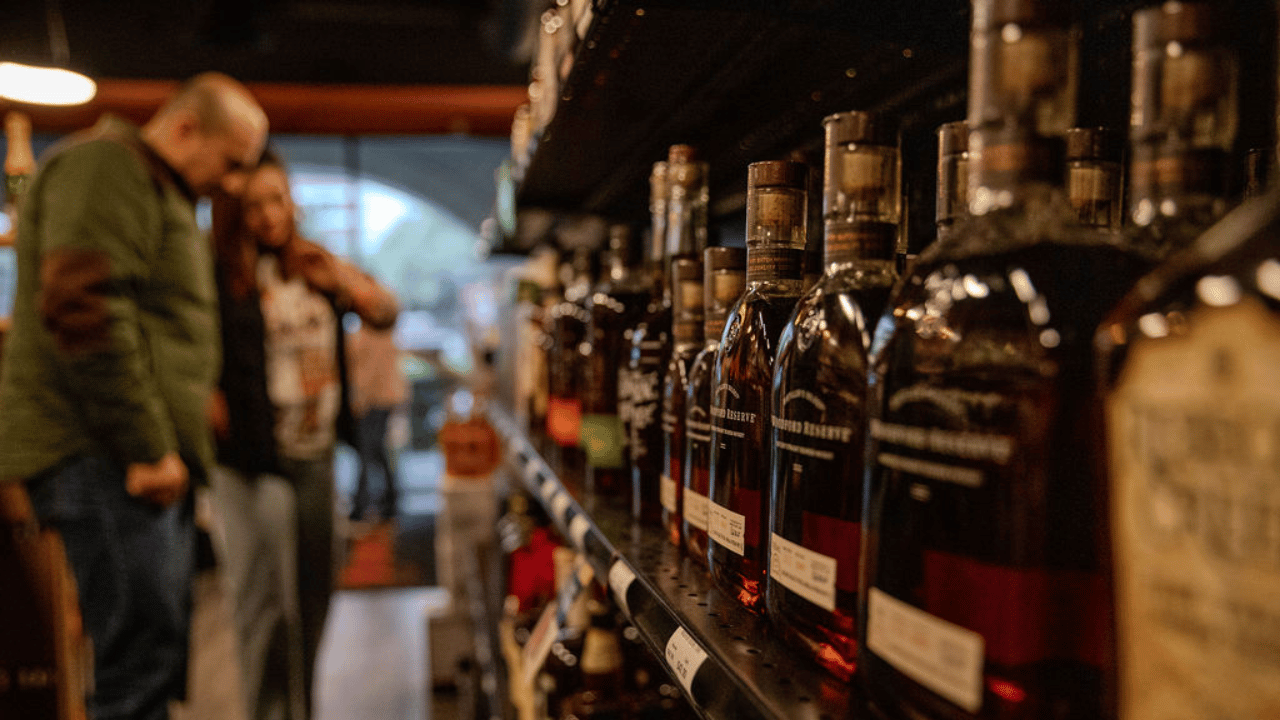
Whiskey is a beloved spirit with a rich history and a diverse range of styles, each offering unique flavors and experiences. This guide aims to equip you with the knowledge to choose, taste, and enjoy whiskey like a connoisseur. From understanding the different types of whiskey to mastering tasting techniques, you'll learn how to appreciate this complex spirit fully. Many enthusiasts struggle with selecting the right whiskey or understanding its nuances, but with the right information, you can enhance your whiskey journey. This article will cover key whiskey types, tasting methods, essential differences between bourbon and scotch, and tips for making informed purchases.
What Are the Key Whiskey Types and Their Unique Characteristics?
Whiskey encompasses a variety of styles, each with distinct characteristics shaped by ingredients, production methods, and regional influences. Understanding these types is crucial for any whiskey enthusiast. The primary whiskey types include bourbon, scotch, and single malt, each offering unique flavor profiles and cultural significance.
How Do Bourbon, Scotch, and Single Malt Whiskeys Differ?
Bourbon, scotch, and single malt whiskeys differ primarily in their ingredients and production processes. Bourbon is made from at least 51% corn and is typically aged in new charred oak barrels, giving it a sweet and full-bodied flavor. Scotch, on the other hand, is made primarily from malted barley and must be aged in oak barrels for a minimum of three years, often resulting in a smoky flavor due to the use of peat in the malting process. Single malt whiskey, a type of scotch, is produced at a single distillery using only malted barley and pot stills, emphasizing the distillery's unique characteristics.
What Flavor Profiles Define Each Whiskey Type?
Each whiskey type boasts distinct flavor profiles influenced by its ingredients and aging process. Bourbon often features notes of caramel, vanilla, and oak, while scotch can range from light and floral to rich and smoky, depending on the region and production methods. Single malt whiskeys typically exhibit a complex array of flavors, including fruit, spice, and earthy undertones, reflecting the specific barley and water sources used in their production. Understanding these flavor profiles can enhance your tasting experience and help you select whiskeys that align with your palate.
How Do You Taste Whiskey Like a Pro?
Tasting whiskey is an art that involves more than just sipping; it requires a keen sense of observation and appreciation for the spirit's complexities. By mastering proper tasting techniques, you can fully experience the nuances of different whiskeys.
What Are the Step-by-Step Techniques for Proper Whiskey Tasting?
To taste whiskey like a pro, follow these steps:
Observe: Examine the whiskey's color and clarity in the glass.
Swirl: Gently swirl the whiskey to release its aromas.
Smell: Take a moment to inhale the scents, identifying different notes.
Sip: Take a small sip and let it coat your palate, noting the flavors.
Savor: Allow the whiskey to linger in your mouth before swallowing, paying attention to the finish.
These techniques will help you appreciate the full spectrum of flavors and aromas in each whiskey.
How Can You Identify Whiskey Flavor Notes and Aromas?
Identifying flavor notes and aromas in whiskey involves engaging your senses. Common flavor notes include caramel, vanilla, fruit, and spices, while aromas can range from floral to smoky. Developing a tasting vocabulary can enhance your ability to articulate what you experience. Consider using a flavor wheel to help identify specific notes, and practice regularly to refine your palate.
Understanding the scientific basis of these flavor origins can further enhance your appreciation, as detailed in research on whiskey flavor wheels.
Whiskey Flavor Origins & Sensory Flavour Wheel
The nature and origins offlavour in whiskies are reviewed with the aim of developing a revised and simplified flavour wheel for training of sensory assessors. Scotch whiskies are
Origins of flavour in whiskies and a revised flavour wheel: A review, 2001
What Are the Essential Differences Between Bourbon and Scotch?
Bourbon and scotch are two of the most popular whiskey types, each with unique characteristics shaped by their production methods and regional regulations. Understanding these differences can help you choose the right whiskey for any occasion.
How Do Production Methods Affect Bourbon and Scotch Flavors?
The production methods for bourbon and scotch significantly influence their flavors. Bourbon must be made from at least 51% corn and aged in new charred oak barrels, resulting in a sweeter profile with rich caramel and vanilla notes. In contrast, scotch is made primarily from malted barley and aged in used oak barrels, often leading to a more complex flavor profile that can include smoky, peaty, and fruity notes. The choice of grains, fermentation, distillation, and aging all contribute to the final flavor of each whiskey.
Which Occasions Suit Bourbon Versus Scotch Best?
Bourbon and scotch can be enjoyed in different settings, enhancing the overall experience. Bourbon is often favored for casual gatherings and cocktails, making it a versatile choice for mixed drinks. Scotch, with its complex flavors, is typically enjoyed neat or with a splash of water, making it ideal for contemplative sipping during special occasions or quiet evenings. Understanding the best occasions for each type can elevate your whiskey enjoyment.
How to Choose the Best Whiskey Brands and Make Informed Purchases
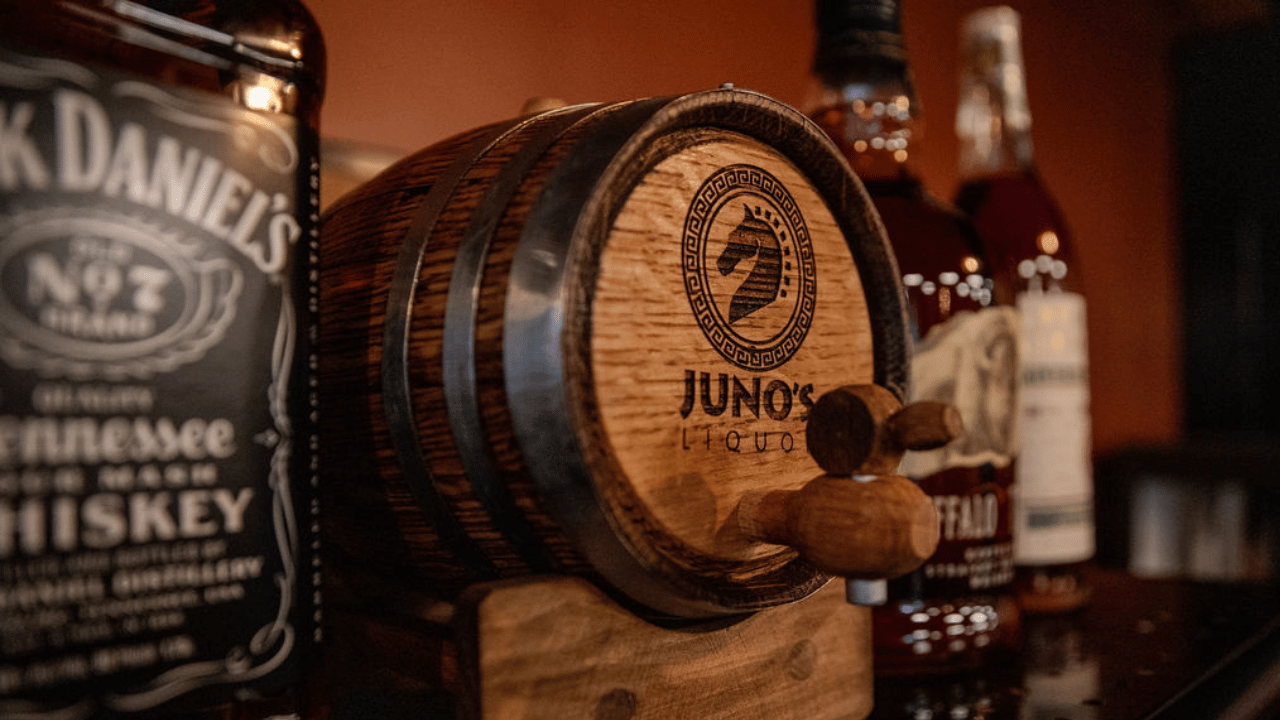
Selecting quality whiskey brands involves understanding what to look for in a bottle and recognizing reputable producers. This knowledge can enhance your purchasing decisions and ensure a satisfying whiskey experience.
What Should You Look for in a Quality Whiskey Bottle?
When choosing a quality whiskey bottle, consider the following indicators:
Label Information: Look for details about the distillation process, aging, and ingredients.
Packaging Quality: A well-designed bottle often reflects the care taken in production.
Price Considerations: While price isn't always an indicator of quality, it can help differentiate between mass-produced and artisanal options.
These factors can guide you in selecting a whiskey that meets your expectations.
How Can Local Whiskey Events Enhance Your Buying Experience?
Attending local whiskey events can significantly enhance your buying experience by providing opportunities to taste various brands and styles. These events often feature expert insights, allowing you to learn about different production methods and flavor profiles. Engaging with the whiskey community can also lead to discovering new favorites and building connections with local producers. Juno's Liquor, for instance, offers in-store whiskey tastings and educational events, making it a valuable resource for whiskey enthusiasts in Arlington.
To further enhance your whiskey knowledge, consider exploring local producers and their unique offerings. Understanding the nuances of different distilleries can significantly enrich your appreciation for this complex spirit.
If you're planning a special occasion, consider event services that can elevate your gathering with curated whiskey selections. These services often provide expert guidance and tailored experiences to suit your needs.
For those looking to explore a wide selection of whiskeys, visit our locations to discover new favorites and find the perfect bottle for any occasion. Our knowledgeable staff can assist you in making informed choices and enhancing your whiskey journey.
Elevate Your Whiskey Experience Today
With a deeper understanding of whiskey types, tasting techniques, and the nuances between bourbon and scotch, you are now equipped to embark on a more informed and enjoyable whiskey journey. Whether you're a seasoned enthusiast or just beginning to explore, the world of whiskey offers endless opportunities for discovery and delight.
Start your adventure by visiting Juno's Liquor to explore a curated selection of premium whiskeys, attend tasting events, and connect with experts who can guide you every step of the way.